
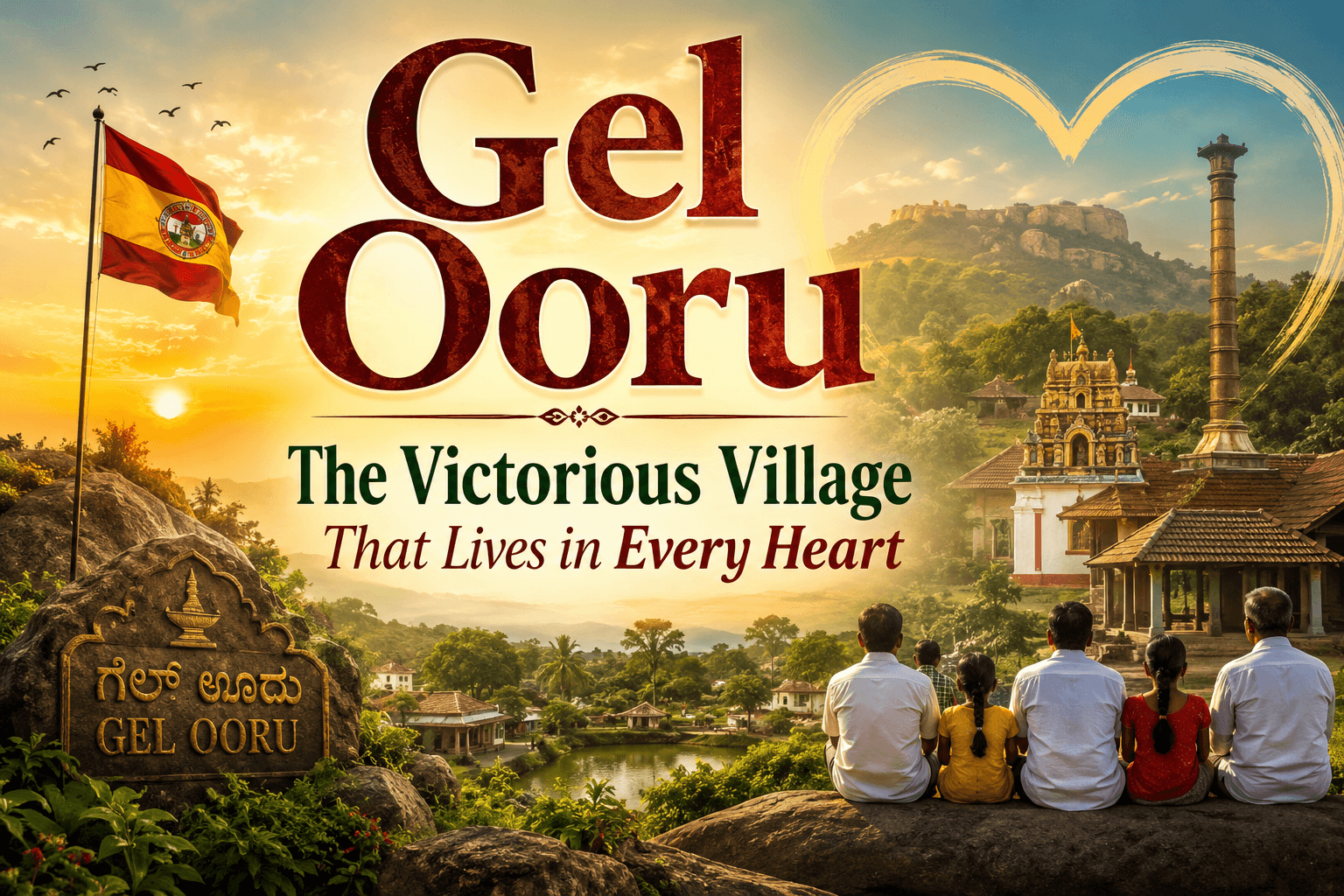
Have you ever heard someone say “Gel Ooru” with a big warm smile? There is something magical about those two little words. They carry pride, belonging, and a deep sense of home. Gel Ooru is a phrase rooted in the beautiful languages of South India — Kannada, Telugu, and Tamil. “Gel” means victory or togetherness. “Ooru” means village, town, or native place. Put them together and you get something truly powerful — The Victorious Village. But this is not just about one spot on a map. It is a feeling. It is the place where your story begins, your roots grow deep, and your heart always returns. In this article, we explore every meaning, tradition, and modern value of this beautiful concept — and why it matters more than ever today.
What Two Small Words Actually Mean
The phrase is simple, but the meaning runs deep. In Kannada and Telugu, “Gel” carries the meaning of winning, bonding, or unity. “Ooru” is one of the most loved words across Dravidian languages. It means your village, your hometown, or the place you come from. When someone says Gel Ooru, they are not just naming a location. They are telling you where their soul belongs. It is the spot on earth that shaped who they are. People speak it with pride, nostalgia, and love. Think of it this way — when someone asks “What is your hometown?” in South Indian culture, they are really asking where your story begins. The phrase captures that feeling perfectly. It blends language with emotion in a way very few phrases can.
Deep Cultural Roots Going Back Centuries
The idea of Gel Ooru goes back hundreds of years. South Indian villages were never just places to live. They were living, breathing communities full of shared wisdom, stories, and old traditions. Long before phones or the internet, people passed down culture through oral stories, songs, and harvest festivals. Elders told tales of bravery, triumph, and community victories. These stories were the backbone of rural life. Villages earned their pride through collective effort — farming together, celebrating together, and protecting one another from hardship. That deep spirit of unity gave birth to the concept we now call Gel Ooru. It was never about one person’s success. It was always about the entire village winning as one. That root makes this idea timeless and beautiful.
A Symbol of Shared Success and Unity
One of the most powerful lessons here is simple — no one wins alone. In a true community built on these values, when one person succeeds, everyone celebrates. When one family struggles, the whole neighborhood helps. This shared identity is rare and precious in today’s world. People pool their efforts in farming, festivals, and even everyday chores. They make big decisions together and care for each other across generations. Young people respect the elders. Elders guide and protect the young. This natural cycle of mutual care is what makes Gel Ooru more than a name. It is a way of life. The modern world — busy, fast, and often lonely — could learn so much from this powerful model of togetherness. It proves that collective effort always beats going it alone.
Traditional Festivals That Pulse With Life
Step into a village festival rooted in these values and you will feel the energy instantly. Everything comes alive — the music, the colors, the food, and the laughter. These festivals are not just celebrations. They are expressions of identity. Villages that embrace this spirit hold grand annual fairs and temple festivals. Community feasts called Anna Dana feed hundreds of people at once — a beautiful symbol of generosity. Folk arts like Yakshagana, Dollu Kunitha, and Kolattam performances fill the air with tradition and joy. Cultural competitions in music, dance, and storytelling bring young and old together under one sky. These events are the heartbeat of any Gel Ooru community. They remind people of who they are, where they come from, and what they stand for as a united group.
Folk Art, Music, and Oral Storytelling
Art is not just decoration in a traditional village — it is communication. Folk songs carry the entire history of a community. Singers use them to tell stories of difficult times survived, ancestors honored, and harvests celebrated. These songs stick naturally in the hearts of listeners and travel from grandparents to grandchildren. Murals and paintings on outer walls celebrate seasonal changes, village heroes, and spiritual stories. The Kolam pattern drawn at doorsteps every morning is a form of living art that connects daily routines to deep tradition. Storytellers keep the spirit of Gel Ooru alive through tales of triumph, love, and wisdom. Even today, musicians, filmmakers, and visual artists use these traditions as inspiration. They make ancient culture accessible to modern people without losing any of its soul or meaning.
Architecture Built With Purpose and Beauty
Walk through a village that lives by these values and you will notice a different pace of life. The buildings themselves tell stories carved in stone. Ancient temples stand tall with intricate sculptures and mythological carvings. Wide courtyards invite people to gather, share food, and mark festivals together. Traditional homes are built using local stone, wood, and clay — practical, beautiful, and kind to the environment. These materials represent centuries of knowledge about building in harmony with nature. Every pillar, carving, and open courtyard in a Gel Ooru-inspired village has a clear purpose. It all points to the same truth — that beauty and usefulness can live together peacefully. Today, this architectural wisdom is inspiring modern eco-friendly designers and urban planners around the world who want to build communities with meaning.
Sustainable Farming and the Earth Connection
Agriculture sits at the soul of every tradition linked to this concept. Villagers have farmed together for generations — sharing land, tools, labor, and the final harvest. This collective farming builds trust and ensures no family goes hungry through a bad season. It also quietly promotes sustainable practices. Crop rotation, rainwater harvesting, and organic growing methods were not modern trends here. They were simply the natural way of doing things. The earth was respected because the entire community depended on it every single day. Today, modern eco-villages and sustainability projects are rediscovering these same ancient practices. They borrow from the spirit of Gel Ooru — caring for people and the planet in equal measure. This old wisdom feels remarkably fresh and relevant in our time of climate awareness and environmental responsibility.
The Meaning of True Belonging
In today’s fast world, many people feel lonely even in the most crowded cities. They scroll through their phones but still feel deeply disconnected. The values behind Gel Ooru offer a powerful and honest answer to this problem. True belonging means knowing you have a place where people know your name, your story, and your worth. Your hometown is your anchor. No matter how far you travel or how much life changes, that connection to your roots keeps you grounded and centered. People who stay connected to their native place tend to be more confident, more compassionate, and more resilient when life gets hard. They know who they are because they know where they come from. That sense of belonging is not old-fashioned. It is a fundamental human need that no technology can fully replace.
Taking the Tradition Into the Digital Age
The spirit of this cultural concept has not stayed locked in villages. It has gone fully digital. Social media groups, YouTube channels, and community forums are now creating virtual spaces that carry the same feeling. People from the same hometown connect online, share memories, and support local artisans from across the globe. Digital platforms showcase traditional crafts, folk recipes, music, and cultural stories. Young people are not abandoning their roots — they are reshaping them in fresh, creative formats. A person living in a foreign country can still celebrate their Gel Ooru culture online, order handmade crafts from local artisans, and teach their children about cultural heritage. Technology, when used with intention, becomes a powerful bridge between ancient tradition and the future that is still being written.
Experiencing Village Culture Through Travel
You can experience this cultural spirit firsthand through travel, and it will change how you see the world. Many villages rooted in these values now welcome visitors with open arms. Cultural tourism lets travelers escape the noise of city life and step into something deeply real and authentic. You can join a community feast, watch a live folk dance, or try your hand at traditional pottery and weaving. Guided tours led by local residents give you an honest, personal view of daily village life. Wellness retreats in natural surroundings offer yoga, meditation, and plant-based healing rooted in centuries of wisdom. Homestays connect you with local families whose warmth stays with you long after the journey ends. Visiting a place that embodies Gel Ooru values is not just tourism — it is an education in living well together.
Small Ways to Live These Values Every Day
You do not need to live in a village to carry this spirit in your heart. Small choices every day can reflect these values beautifully. Shop at your local market instead of always ordering online — you support a neighbor every time you do. Cook a traditional recipe passed down from your grandmother. Keep that cultural thread alive and hand it forward. Volunteer in your neighborhood — clean a park, tutor a child, or visit an elderly person living alone. Listen to folk songs from your region and attend local festivals when you can. Share stories about your hometown with your children. These small, steady acts are how Gel Ooru lives on through people rather than just places. When you live with generosity, unity, and cultural pride, you carry that victorious spirit wherever you go.
Conclusion: Your Village Is Always With You
Gel Ooru is more than a phrase — it is a philosophy for living with purpose, pride, and deep togetherness. Whether it is a real village nestled in the hills of South India or a warm feeling in your chest when you think of home, it reminds you of what truly matters. In a world that often feels divided and rushed, this ancient wisdom is a breath of fresh air. It asks you to slow down, connect with those around you, and care for the earth beneath your feet. Your native place shaped you. It gave you your first language, your first values, and your first real friendships. Honor it. Share its stories. Help it thrive — not just in memory, but in how you live today. Because a community that wins together never truly loses. That is the timeless promise of Gel Ooru.
Frequently Asked Questions
Q1. What does Gel Ooru mean in simple words?
Gel Ooru is a South Indian phrase meaning “The Victorious Village.” “Gel” stands for victory or unity, and “Ooru” means village or hometown. Together, it describes a place where people succeed through togetherness and collective effort rather than individual achievement alone.
Q2. Which languages does this phrase come from?
The term comes from the Dravidian languages of South India — mainly Kannada, Telugu, and Tamil. In all three languages, “Ooru” means village or native place. “Gel” carries meanings of victory, friendship, or unity depending on the dialect and the context it is used in.
Q3. Is Gel Ooru a real place or just a concept?
It can be both. Some villages in South India embrace this spirit as their cultural identity. But more widely, it is a living concept — a philosophy of community living, shared success, and strong cultural roots that people carry with them wherever life takes them.
Q4. Why is this idea so important in today’s world?
Today, many people feel disconnected and isolated even in busy cities. The values of Gel Ooru — unity, shared effort, cultural pride, and care for the environment — offer meaningful and practical answers to modern challenges like loneliness, environmental damage, and loss of cultural identity.
Q5. How can someone experience this culture firsthand?
You can visit South Indian villages that celebrate these values through cultural tourism, festivals, and homestays. You can also connect with online communities, support local artisans, attend folk art events, or simply start by reconnecting with the stories and traditions of your own hometown.
Q6. How can young people keep this spirit alive?
Young people are already reshaping the tradition through social media, music, and digital storytelling. They can also volunteer in community projects, learn traditional crafts, preserve family recipes, and share stories of their hometown with friends and peers. The spirit does not fade — it evolves and grows stronger with every new generation.
About the Author